Sensitive Skin In Men
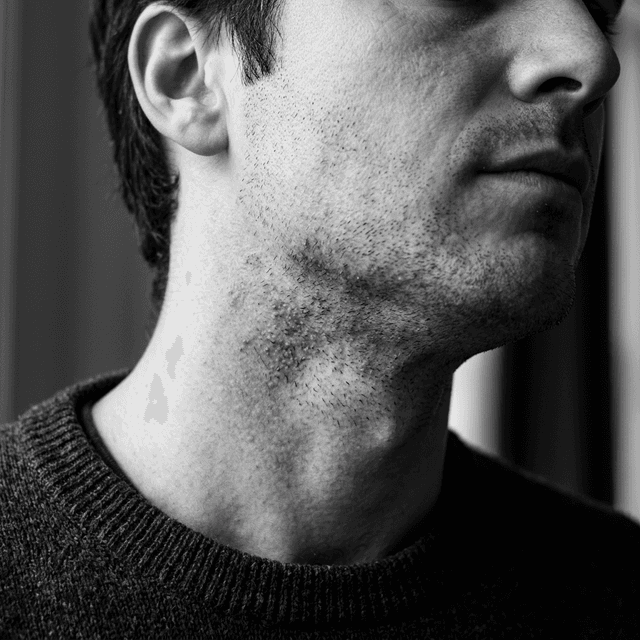
Sensitive skin usually shows itself fast: burning, redness, and products that feel like they are doing damage instead of help.
You splash on aftershave and your face lights up. A new cleanser makes your cheeks sting for an hour. You look flushed on a video call even though you feel fine. These are not random events. They are your skin barrier telling you it cannot handle what you are putting on it.
The frustrating part is that most products marketed to men — alcohol-heavy aftershaves, aggressive exfoliants, fragranced moisturizers — are designed as if every guy has tank-proof skin. If yours reacts to half of what you try, you are not weak. You just need to stop fighting your skin and start working with it.
Common Causes
What Sensitive Skin Looks Like
Redness across the cheeks or jawline that flares after shaving. A tight, dry feeling by midday even if you moisturized in the morning. Stinging when you apply a product that should feel neutral. Patches of rough, flaky skin that come and go without obvious cause. If any of these sound familiar, your barrier is compromised.
Men’s skin is thicker than women’s on average, which sounds like an advantage. It is — structurally. But thickness does not equal resilience against chemical irritation. When you shave three to five times a week, you strip the outermost protective layer repeatedly, and the barrier never fully rebuilds between sessions.
Common triggers include fragranced skincare, alcohol-based aftershaves, hard water, dry office air, wind exposure, and over-exfoliating. Many men layer several of these triggers in a single morning without realizing the cumulative damage.
An Ingredient Strategy That Works
Sensitive skin responds best to ingredients that reinforce the barrier rather than add active stimulation. Centella asiatica calms inflammation and supports collagen without irritation. Panthenol draws moisture into the skin and accelerates repair. Niacinamide strengthens the barrier over time and reduces redness. Ceramides fill gaps in the lipid layer that irritants exploit.
What matters as much as what you use is what you avoid. Fragrance — natural or synthetic — is the single most common irritant in skincare. Alcohol denat dries and disrupts. Essential oils like peppermint or eucalyptus feel clean but provoke reactive skin. If a product lists any of these in the first ten ingredients, skip it.
Routine Rules for Reactive Skin
Keep it minimal. A gentle cleanser, a barrier-supporting moisturizer, and sunscreen. That is the entire routine. Adding serums, toners, or exfoliants when your skin is reactive just gives it more chances to flare. Once your barrier stabilizes — usually four to six weeks of consistent, boring routine — you can cautiously introduce one new product at a time.
Apply moisturizer to slightly damp skin right after washing. This locks in hydration more effectively and reduces the tight, pulling feeling that dry application causes. Pat dry with a clean towel instead of rubbing.
After shaving, wait two minutes before applying moisturizer. Your skin needs a moment to settle. Applying product immediately to micro-abraded skin is like pouring lemon juice on a paper cut — technically not dangerous, but unnecessarily painful.
Prevention Tips
What to Avoid Long Term
Do not rotate products frequently. Sensitive skin needs consistency. Introducing new products every week makes it impossible to know what works and what triggers reactions. Stick with one routine for at least a month before changing anything.
Avoid hot water on your face. Warm is fine, hot is not. High temperatures strip natural oils and leave the barrier more vulnerable. This applies to showers too — keep your face out of the direct hot stream.
If your skin reacts to everything you try, the problem may not be the products. Chronic sensitivity that does not respond to gentle care could indicate rosacea, contact dermatitis, or eczema. A dermatologist can distinguish between general sensitivity and a treatable condition, which changes the approach entirely.
Related Articles
Base Layer vs Caldera Lab: Disclosed Actives or Botanical Luxury?
Caldera Lab sells a $65 moisturizer called The Base Layer. We're the other Base Layer. Here's an honest ingredient-by-ingredient comparison with real prices.
Chlorine, Cumulative UV Exposure, and the Muscle-Skin Barrier Trade-Off
Stop letting chlorine, 100-mile winds, and severe UV exposure destroy your skin barrier. Base Layer's no-nonsense recovery guide for triathletes.
The Golfer's Skin Strategy: Managing 4-5 Hour Sustained UV, Wind Dehydration, and Hat-Line Pressure Marks
Stop baking deep wrinkles into your face. Reverse 5 hours of fairway sun damage and pesticide exposure with this targeted routine.
Best Moisturizer for Acne-Prone Skin Men (2025 Guide)
Compare Moisturizers
FAQs
Reviewed by the Base Layer skincare team. Based on published dermatological research and clinical ingredient data.