Hyaluronic Acid
Hyaluronic Acid for Men: The Hydration Ingredient That Actually Works on Every Skin Type
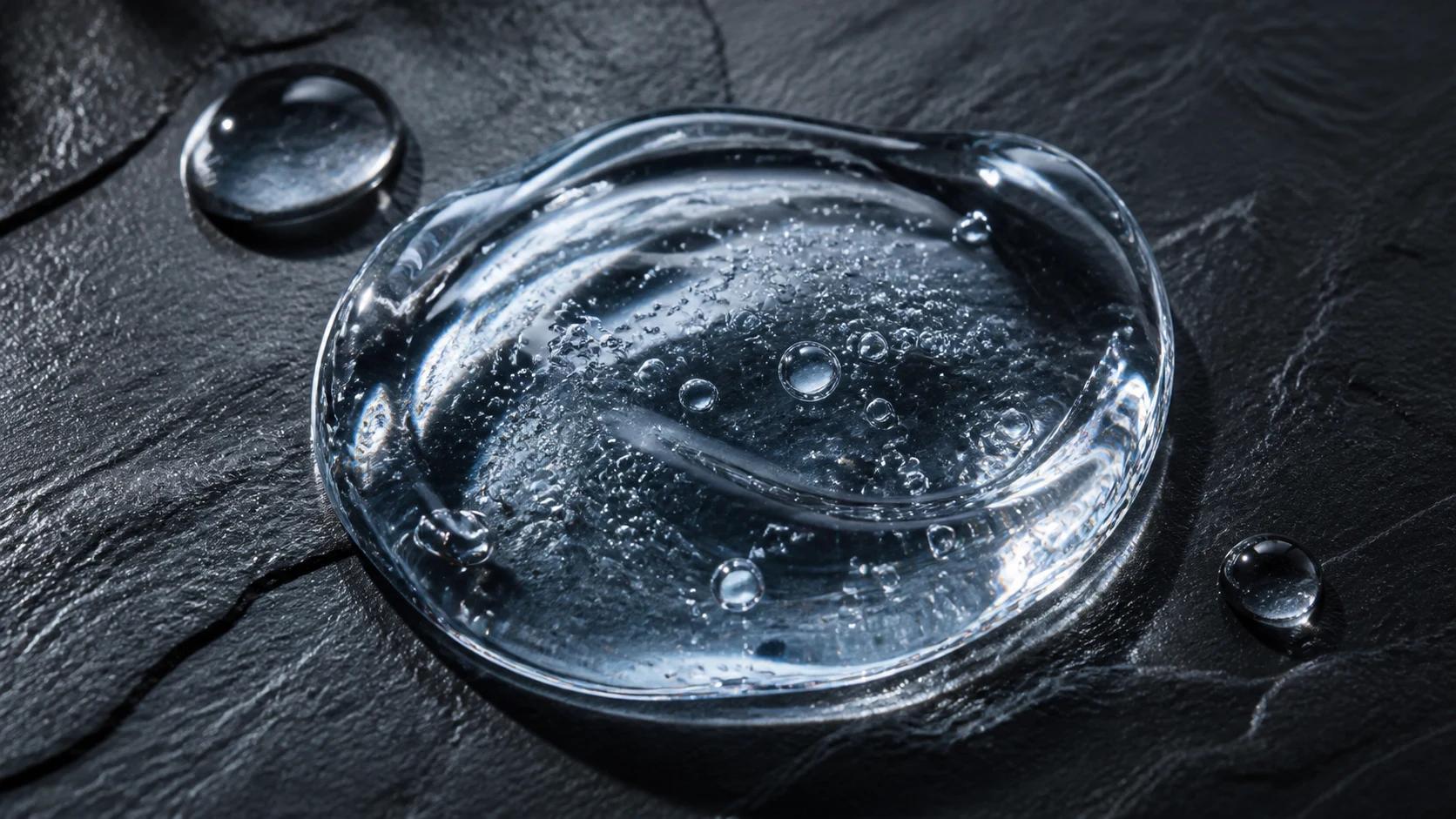
Hyaluronic acid helps most when your skin feels tight, flat, or dehydrated after washing, shaving, travel, or dry weather.
What It Is
Hyaluronic acid is a sugar molecule your body already produces. It sits in the spaces between skin cells and holds water, up to 1,000 times its weight. In skincare, it works as a humectant, meaning it pulls moisture into the skin rather than creating a barrier on top of it.
Your skin's natural HA production drops steadily after your late 20s. Adding it topically does not replace what you have lost, but it fills a gap that shows up as tightness, flatness, and fine lines that appear worse than they actually are.
What It Is Not
Hyaluronic acid is not a moisturizer in the traditional sense. It does not seal moisture in. It draws moisture to the surface of your skin, which means it works best when combined with an occlusive or emollient layer that locks everything in place.
Used alone on very dry skin in dry air, HA can actually pull water from the deeper layers of your skin toward the surface, leaving you feeling tighter than before. This is the source of most complaints about hyaluronic acid not working.
Best Use Cases
HA fits well after cleansing or shaving, when your skin feels stripped or tight. It also helps during winter, air travel, or any time your environment is drier than your skin wants it to be. If your face looks flat and tired after a long day, dehydration is usually the reason, and HA addresses that directly.
It is also useful as a base layer under sunscreen or other products because it keeps skin plump and smooth, which makes everything applied on top sit better.
Common Mistakes
Applying HA to bone-dry skin without sealing it is the most common error. Always apply to damp skin and follow with a moisturizer. The second mistake is using products with only high-molecular-weight HA, which sits on the surface and feels sticky without penetrating.
Multi-weight formulas that combine high, medium, and low molecular weight HA hydrate at different depths and feel significantly better on the skin.
How Base Layer Uses It
Base Layer includes hyaluronic acid alongside squalane and panthenol so that hydration is drawn in and then locked down. The formula is designed so you do not need to apply HA separately, wait for it to absorb, and then add something else on top. It all happens in one step.
This approach avoids the sticky residue problem that standalone HA serums sometimes create, especially for guys who do not want to feel like they have anything on their face.
How It Works
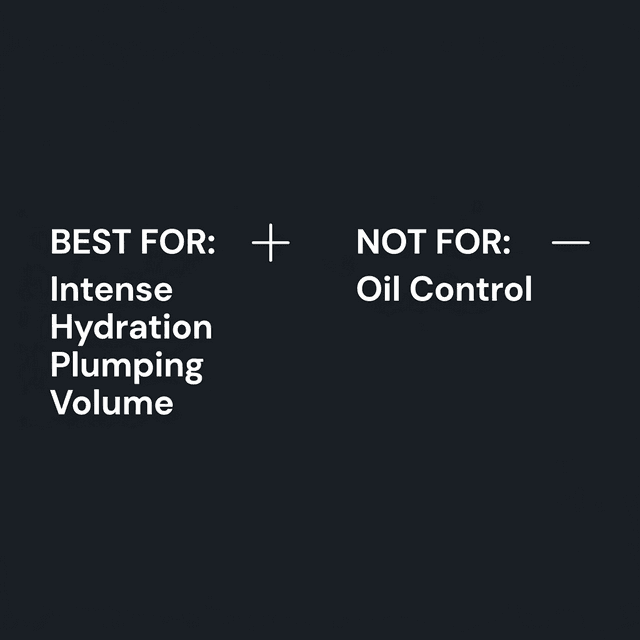
Hyaluronic acid's mechanism is straightforward, but the effects are powerful. Humectant Water Binding Hyaluronic acid is hygroscopic. It attracts water molecules and bonds them in a stable structure. When applied to skin, it draws moisture from deeper layers and holds it near the surface. One molecule of hyaluronic acid can bond with hundreds of water molecules. That's an enormous water-holding capacity. Your skin cells, surrounded by hyaluronic acid holding water, become plump and firm. Result: immediate plumping effect, visible firmness, reduction in fine lines (lines are less visible when skin is plump and hydrated). Cellular Hydration and Function Beyond surface plumping, hyaluronic acid ensures your skin cells have adequate internal water. Dehydrated cells function poorly—they can't repair efficiently, they produce less collagen, they're more irritable and reactive. Hydrated cells function optimally. They divide properly, produce protective barrier lipids, synthesize col
Benefits
- Oily skin needs hydration too
Men with oily skin often skip moisturizing because they think it will make them greasier. But oily skin often becomes oily because it's dehydrated. The skin compensates for water loss by producing more sebum. Hydrating with hyaluronic acid (water-based, not oil-based) actually reduces sebu
- Shaving dehydrates skin
Every shave damages the stratum corneum and disrupts the water-holding capacity of skin. Hyaluronic acid restores this capacity. You recover hydration faster post-shave.
- Visible firmness and definition
Hyaluronic acid plumps skin from within, creating immediate firmness. For men concerned with aging, wrinkles, and loss of definition, this matters. Plump, hydrated skin has more definition than dehydrated, deflated skin.
- Faster active ingredient efficacy
Most actives work better on hydrated skin. Niacinamide, copper peptide, centella—all work more effectively when skin is properly hydrated. Hyaluronic acid is the hydration foundation that makes everything else work better.
- Non-interfering with routine
Hyaluronic acid is lightweight and compatible with everything. It doesn't compete with other actives. It enhances them.
Research
A 2014 clinical study in Dermatology Research and Practice tested hyaluronic acid application on dehydrated skin. Results: 55% increase in skin hydration within 1 hour of application. After 8 weeks of daily use, sustained hydration improvement of 70%, measurable reduction in fine line ap
Dermatology Research and Practice (2014)
A 2010 study in International Journal of Cosmetic Science tested high-molecular-weight hyaluronic acid specifically. Participants applied it daily for 8 weeks. Results: 15-20% reduction in fine line visibility, 25% increase in skin firmness and elasticity, and improved overall skin appea
International Journal of Cosmetic Science (2010)
A 2012 study in Dermatology tested hyaluronic acid's effects on barrier recovery post-disruption. The study intentionally disrupted skin barrier, then applied hyaluronic acid. Results: barrier recovery (measured via TEWL reduction) was significantly faster with hyaluronic acid treatment.
Dermatology (2012)
A 2015 study in Molecules examined how hyaluronic acid application affected skin cell gene expression. Results: increased expression of genes involved in collagen synthesis, barrier protein production, and protective antioxidant enzymes.
Molecules (2015)
A 2013 systematic review in Molecules analyzed multiple hyaluronic acid studies and confirmed: different molecular weights have complementary effects. High-MW HA (>1,000 kDa) provides surface plumping. Medium-MW HA (100-1,000 kDa) provides intermediate penetration. Low-MW HA (<100 kDa) p
Molecules (2013)
Related Articles
Base Layer vs Caldera Lab: Disclosed Actives or Botanical Luxury?
Caldera Lab sells a $65 moisturizer called The Base Layer. We're the other Base Layer. Here's an honest ingredient-by-ingredient comparison with real prices.
Chlorine, Cumulative UV Exposure, and the Muscle-Skin Barrier Trade-Off
Stop letting chlorine, 100-mile winds, and severe UV exposure destroy your skin barrier. Base Layer's no-nonsense recovery guide for triathletes.
The Golfer's Skin Strategy: Managing 4-5 Hour Sustained UV, Wind Dehydration, and Hat-Line Pressure Marks
Stop baking deep wrinkles into your face. Reverse 5 hours of fairway sun damage and pesticide exposure with this targeted routine.
Best Moisturizer for Acne-Prone Skin Men (2025 Guide)
Explore More
Aging & Wrinkles in Men
How clinical actives fight fine lines and loss of firmness.
Sensitive Skin Care for Men
Calm redness and irritation with fragrance-free formulas.
Dark Circles Under Eyes
Reduce tired-looking eyes with peptides and hydration.
Best Men's Moisturizers Compared
Side-by-side comparison of top moisturizers for men.
FAQs
Reviewed by the Base Layer skincare team. Based on published dermatological research and clinical ingredient data.