Panthenol (Provitamin B5)
Panthenol for Men: The Healing Ingredient That Actually Works Post-Shave
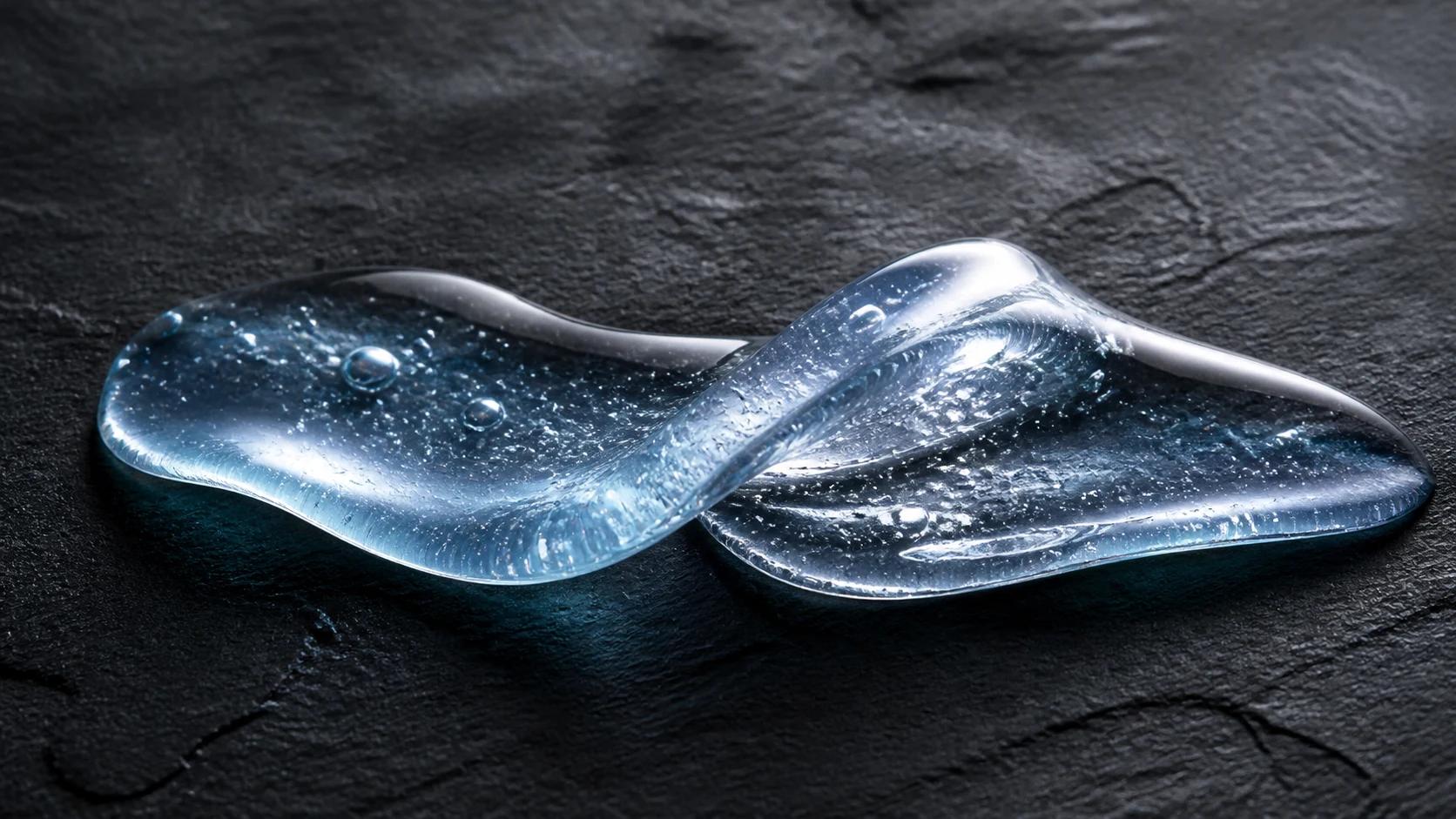
Panthenol matters most when your skin feels stressed, raw, tight, or hard to calm down.
What It Is
Panthenol is provitamin B5. When applied to your skin, it converts into pantothenic acid, which plays a direct role in how your skin repairs and maintains its barrier. It is a humectant that also has anti-inflammatory properties, which means it both hydrates and calms at the same time.
It has been used in wound care and dermatology for decades. You will find it in burn creams, diaper rash treatments, and post-procedure recovery products. That medical pedigree is the reason it works so well in daily skincare for guys whose skin takes regular hits from shaving and environmental stress.
Best Use Cases
Panthenol is most valuable when your skin feels dry, tight, or irritated. That includes the obvious situations like post-shave tightness and windburn, but also subtler ones like the gradual dryness that comes from using too many active ingredients without enough barrier support.
If you have ever used a retinol or exfoliating acid and ended up with raw, flaky patches, panthenol is the kind of ingredient that helps your skin recover. It accelerates the repair process rather than just covering up the damage with a heavy cream.
Why It Matters After Shaving
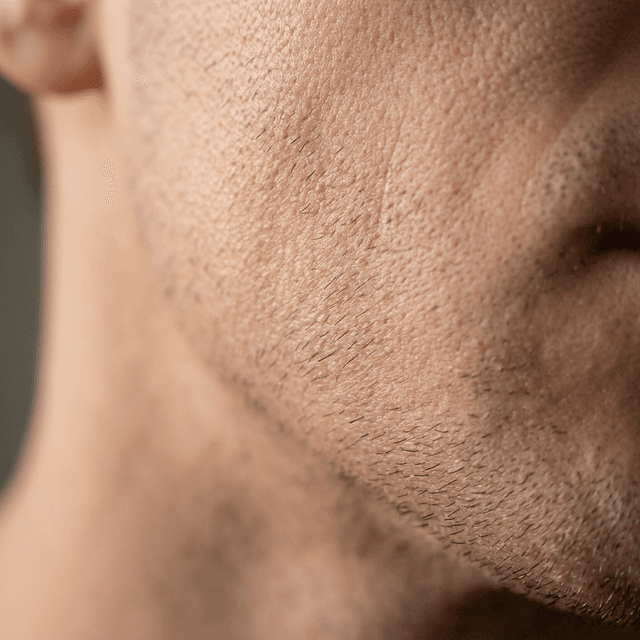
Shaving removes the outermost layer of dead skin cells along with the hair. That layer is part of your barrier, and without it, moisture escapes faster and irritants get in more easily. Panthenol helps rebuild that layer and reduces the inflammation that shows up as redness, bumps, or a burning sensation.
Unlike alcohol-based aftershaves that sting and then evaporate, panthenol actually contributes to the repair process. It calms the immediate irritation and supports the skin's recovery over the following hours.
How It Works With Niacinamide And Centella
Panthenol, niacinamide, and centella asiatica target different aspects of skin repair and defense. Niacinamide strengthens the lipid barrier and controls oil. Centella reduces inflammation and supports collagen at wound sites. Panthenol accelerates general healing and holds moisture in the upper layers.
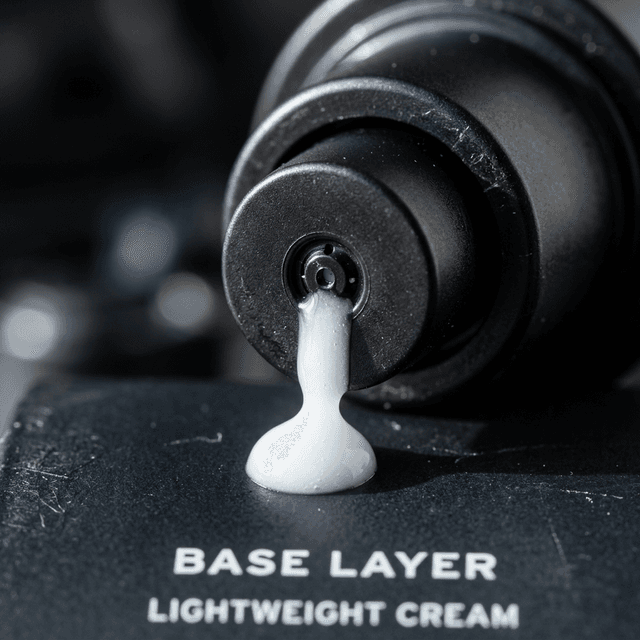
Together, they create a layered defense system. Base Layer combines all three because the interaction between them is more effective than any one of them used alone. A guy dealing with post-shave irritation, environmental dryness, and early signs of aging gets support on all three fronts from a single application.
How It Works
Panthenol has multiple mechanisms of action. This is why it's so effective for post-shave irritation specifically—it addresses several problems simultaneously. Deep Hydration Through Water Binding Panthenol is hygroscopic, meaning it attracts and binds water molecules. When applied to skin, it draws moisture from deeper skin layers and holds it near the surface, preventing evaporation. But here's the distinction: panthenol doesn't just sit on the skin like mineral oil. It penetrates into the stratum corneum (the barrier layer) and actually improves the skin's capacity to hold water from within. Studies show panthenol increases skin hydration by 40-50% within 30 minutes, and the effect deepens over hours and days with consistent use. Barrier Repair and Ceramide Synthesis Your skin barrier is composed of lipids (ceramides, cholesterol, free fatty acids). When you shave, you damage this barrier. Panthenol stimulates the synthesis of ceramides and other barrier-critical lipids. T
Benefits
- Post-shave irritation recovery
Men shave on average 4-6 times per week, many daily. Cumulative micro-damage is real. Panthenol's barrier repair and anti-inflammatory effects directly address this. Your skin recovers faster between shaves.
- Razor burn prevention
Panthenol doesn't prevent the shave itself (that's technique and sharp blades). But it heals irritation faster. Apply panthenol-rich moisturizer right after shaving, and razor burn severity decreases measurably. Users report reduction in redness within hours.
- Ingrown hair reduction
Ingrown hairs happen when damaged skin doesn't heal properly—dead skin cells accumulate, and hair curls back into skin. Panthenol accelerates barrier repair and cell turnover, reducing the conditions that cause ingrowns. It won't eliminate them (that's biomechanics), but it reduces frequen
- Hydration without greasiness
Most men's skin is oily. But shaved skin is actually dehydrated. Panthenol hydrates without adding sebum. It's water-based hydration, not oil-based. Your skin feels balanced, not greasy.
- Daily usability
Unlike some actives that require careful timing or build-up periods, panthenol is gentle enough for daily use from day one. It doesn't compete with other actives. It works well in a simple daily routine.
Research
A 2006 study in The Journal of Cosmetic Dermatology tested panthenol on dehydrated skin. Participants applied 5% panthenol cream to one side of the face, control to the other. Results: 41% increase in skin hydration on the panthenol side within 2 hours. After 8 weeks of daily use, sustai
The Journal of Cosmetic Dermatology (2006)
A 2013 clinical study in International Journal of Cosmetic Science confirmed: panthenol at 2.5-5% increases transepidermal water loss (TEWL) reduction, meaning your skin retains moisture better. The effect deepens with consistent use as barrier function improves.
International Journal of Cosmetic Science (2013)
A 2007 study published in Dermatology showed panthenol application increased ceramide synthesis in human skin cells by up to 60% within 4 weeks. The ceramides produced were fully functional—they integrated into the barrier structure properly.
Dermatology (2007)
A 2015 study in Burns journal tested panthenol on thermal wounds (controlled minor burns). Panthenol-treated wounds healed 18-25% faster than control. Inflammation markers (IL-6, TNF-alpha) reduced significantly in the panthenol group. Collagen deposition increased.
Burns (2015)
A 2004 study in The American Journal of Dermatology demonstrated that panthenol increases keratinocyte proliferation rates by 30-40% in in vitro studies. This translates to faster skin cell turnover—your protective barrier replaces damaged cells more quickly.
The American Journal of Dermatology (2004)
Related Articles
Base Layer vs Caldera Lab: Disclosed Actives or Botanical Luxury?
Caldera Lab sells a $65 moisturizer called The Base Layer. We're the other Base Layer. Here's an honest ingredient-by-ingredient comparison with real prices.
Chlorine, Cumulative UV Exposure, and the Muscle-Skin Barrier Trade-Off
Stop letting chlorine, 100-mile winds, and severe UV exposure destroy your skin barrier. Base Layer's no-nonsense recovery guide for triathletes.
The Golfer's Skin Strategy: Managing 4-5 Hour Sustained UV, Wind Dehydration, and Hat-Line Pressure Marks
Stop baking deep wrinkles into your face. Reverse 5 hours of fairway sun damage and pesticide exposure with this targeted routine.
Best Moisturizer for Acne-Prone Skin Men (2025 Guide)
Explore More
Aging & Wrinkles in Men
How clinical actives fight fine lines and loss of firmness.
Sensitive Skin Care for Men
Calm redness and irritation with fragrance-free formulas.
Dark Circles Under Eyes
Reduce tired-looking eyes with peptides and hydration.
Best Men's Moisturizers Compared
Side-by-side comparison of top moisturizers for men.
FAQs
Reviewed by the Base Layer skincare team. Based on published dermatological research and clinical ingredient data.