Copper Peptide GHK-Cu
Copper Peptide for Men: The Collagen Trigger Most Men's Brands Won't Touch
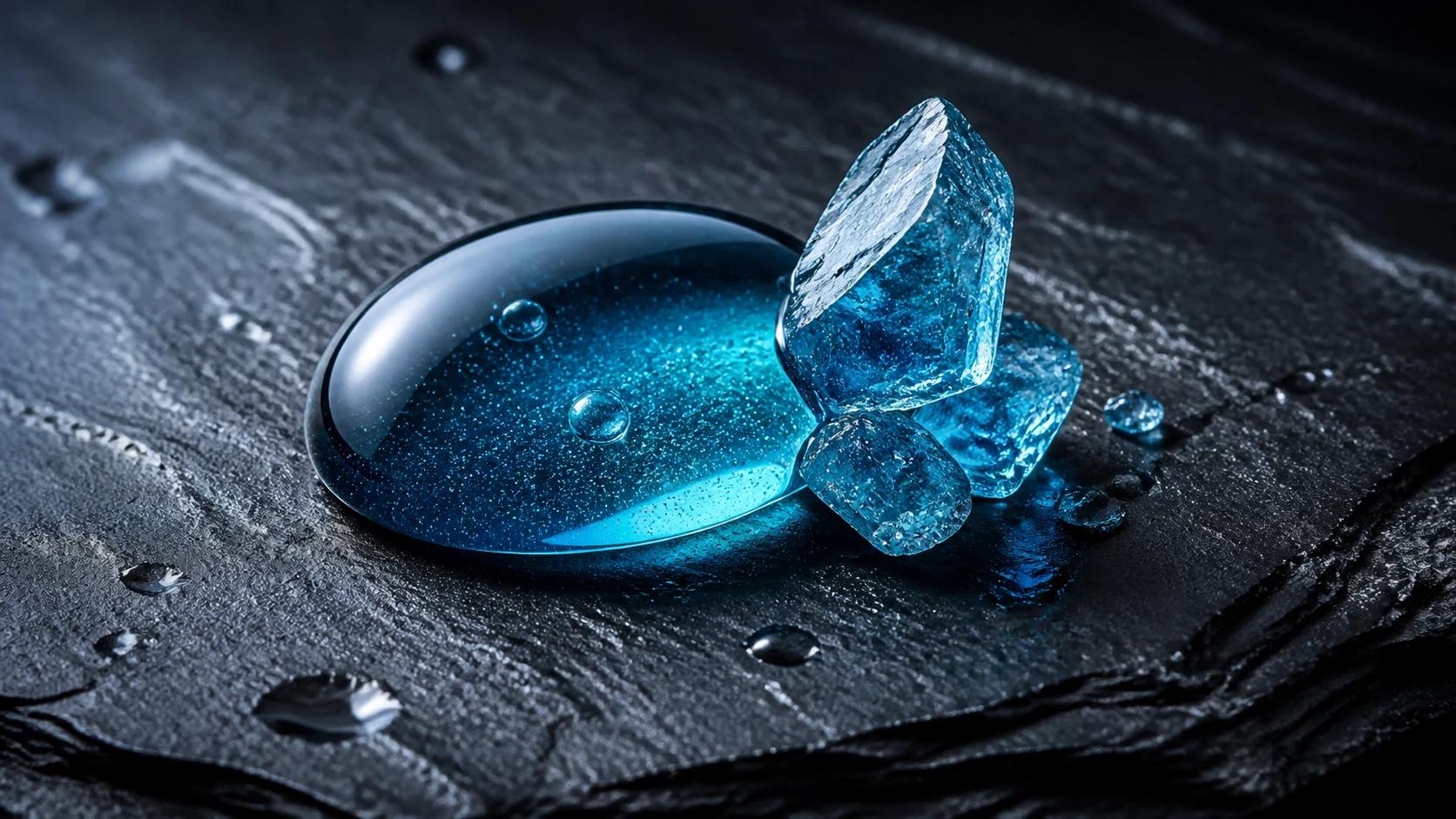
Copper peptide is not a miracle ingredient. It is a smart one for guys who want anti-aging support without a brutal learning curve.
What It Does
Copper peptide GHK-Cu is a signaling molecule. It tells your skin to produce more collagen, elastin, and glycosaminoglycans, the structural proteins and sugars that keep skin firm, elastic, and hydrated. It also promotes wound healing and has anti-inflammatory properties.
In practical terms, this means it helps with fine lines, firmness, and skin recovery. It is not as aggressive as retinol, but it works through a different mechanism that does not require an irritation phase to deliver results.
Strength Of Evidence
GHK-Cu has been studied since the 1970s. The research shows consistent benefits for collagen synthesis, wound healing, and skin remodeling. It is not as extensively tested in large cosmetic trials as retinol, but the mechanism is well understood and the results in smaller studies are clear.
Where retinol has decades of consumer-product data, copper peptide has stronger roots in medical wound care and tissue engineering. That background gives it credibility in a different way. It was designed to help skin rebuild, not just look smoother on the surface.
Who Benefits
Guys in their 30s and 40s who want anti-aging support but are not interested in managing the dryness, flaking, and purging that come with retinol. Copper peptide fits into a routine quietly. You apply it, it works in the background, and the improvements show up gradually without a rough transition.
It is also a good option for anyone whose skin is too sensitive for retinol or who has tried retinol and decided the tradeoff was not worth it.
How It Compares To Retinol And Vitamin C
Retinol forces faster cell turnover. Copper peptide encourages repair and rebuilding. The end goals overlap, but the paths are different. Retinol tends to produce faster visible results but with a higher irritation cost. Copper peptide is slower but steadier and works well alongside calming ingredients.
Compared to vitamin C, copper peptide offers collagen support without the stability and irritation problems that plague most vitamin C formulations. Vitamin C is primarily an antioxidant; copper peptide is primarily a repair signal. They solve different parts of the aging puzzle.
Why It Belongs In Base Layer
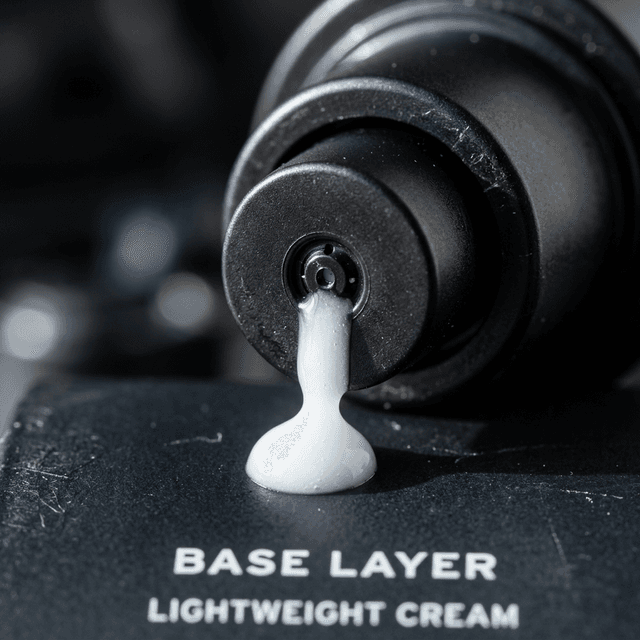
Base Layer is built around the idea that your moisturizer should make your skin stronger, not just smoother. Copper peptide fits that philosophy because it works with the skin's own repair processes. It does not thin the outer layer, increase sensitivity, or require a separate routine to manage side effects.
Paired with niacinamide, panthenol, and centella, copper peptide becomes part of a system where every ingredient supports the others. That is harder to achieve when your lead active requires you to strip back everything else to avoid irritation.
How It Works
This is where most skincare ingredients stop. They do one thing. GHK-Cu does at least three things simultaneously, which is why it's so powerful. Collagen Synthesis Activation Your skin produces collagen through specialized cells called fibroblasts. These cells are lazy, especially as you age. GHK-Cu binds to receptors on fibroblast cell membranes and essentially says, "Wake up. Make more collagen." The mechanism is well-characterized: GHK-Cu upregulates gene expression for collagen I and III (the types that matter for firmness and structure). It doesn't just sit on the surface. It penetrates to the dermal layer where collagen is actually produced. The result: new collagen deposition. Real structural change. Not temporary plumping—rebuilding. Matrix Metalloproteinase (MMP) Regulation Here's where GHK-Cu is cleverly sophisticated. Your body constantly breaks down old collagen and elastin through enzymes called matrix metalloproteinases (MMPs). That's normal and necessary. But
Benefits
- Collagen loss is dramatic in men
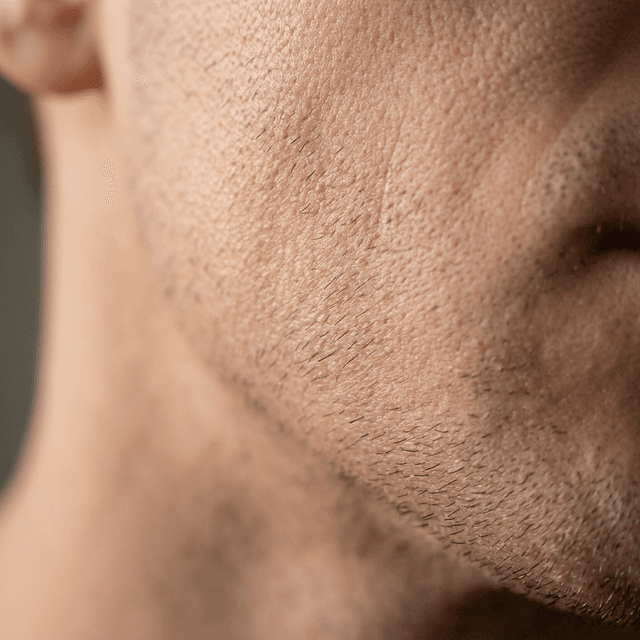
Men's skin collagen decreases about 1% per year after age 25. By 35, you've lost meaningful structural support—a key driver of aging and wrinkles in men. Retinol helps, but GHK-Cu directly stimulates the cells that produce collagen. It's more direct action.
- Shaving ages you faster
Every single shave damages skin—micro-abrasions, inflammation, barrier disruption. GHK-Cu's wound-healing and collagen-stimulating properties accelerate recovery. You're literally healing faster, which means less cumulative damage. Over years, this is significant.
- Men tend to skip preventative anti-aging
Most men don't start serious anti-aging until their mid-30s or later. By then, collagen depletion is real. You need an ingredient that stimulates new collagen production, not just prevents future loss. GHK-Cu does that.
- Firmness and definition matter more
Men's aesthetic concerns skew toward firmness and definition rather than fine lines—including concerns like dark circles and under-eye hollowing. Collagen stimulation directly addresses this. You get visibly firmer skin, more definition in the jawline, better skin resilience.
Research
A 2012 study in The American Journal of Dermatology directly compared GHK-Cu to retinol on aging skin. Fifty participants, twelve weeks, double-blind. Results: GHK-Cu increased type I and III collagen by 43% (measured via ultrasound). Retinol increased collagen by 31% over the same perio
The American Journal of Dermatology (2012)
A 2019 analysis in The Journal of Cosmetic Dermatology reviewed all available GHK-Cu studies. Consistent findings across studies: GHK-Cu increases collagen synthesis between 30-50% within 4-8 weeks, depending on concentration and skin type.
The Journal of Cosmetic Dermatology (2019)
A 2008 study in Wound Repair and Regeneration tested GHK-Cu on surgical wounds. Application accelerated collagen deposition, increased tensile strength of healing tissue, and reduced scar formation by 35-40% compared to control.
Wound Repair and Regeneration (2008)
A 2003 study in The Biochemical Journal demonstrated GHK-Cu's mechanism on matrix metalloproteinases. GHK-Cu reduced MMP-2 and MMP-9 activity (the enzymes most aggressive in collagen breakdown) by 40-60% while simultaneously increasing TIMP (tissue inhibitors of metalloproteinase), which
The Biochemical Journal (2003)
Related Articles
Base Layer vs Caldera Lab: Disclosed Actives or Botanical Luxury?
Caldera Lab sells a $65 moisturizer called The Base Layer. We're the other Base Layer. Here's an honest ingredient-by-ingredient comparison with real prices.
Chlorine, Cumulative UV Exposure, and the Muscle-Skin Barrier Trade-Off
Stop letting chlorine, 100-mile winds, and severe UV exposure destroy your skin barrier. Base Layer's no-nonsense recovery guide for triathletes.
The Golfer's Skin Strategy: Managing 4-5 Hour Sustained UV, Wind Dehydration, and Hat-Line Pressure Marks
Stop baking deep wrinkles into your face. Reverse 5 hours of fairway sun damage and pesticide exposure with this targeted routine.
Best Moisturizer for Acne-Prone Skin Men (2025 Guide)
Explore More
Aging & Wrinkles in Men
How clinical actives fight fine lines and loss of firmness.
Sensitive Skin Care for Men
Calm redness and irritation with fragrance-free formulas.
Dark Circles Under Eyes
Reduce tired-looking eyes with peptides and hydration.
Best Men's Moisturizers Compared
Side-by-side comparison of top moisturizers for men.
FAQs
Reviewed by the Base Layer skincare team. Based on published dermatological research and clinical ingredient data.