Post-Shave Irritation
Ditch the aftershave burn for good
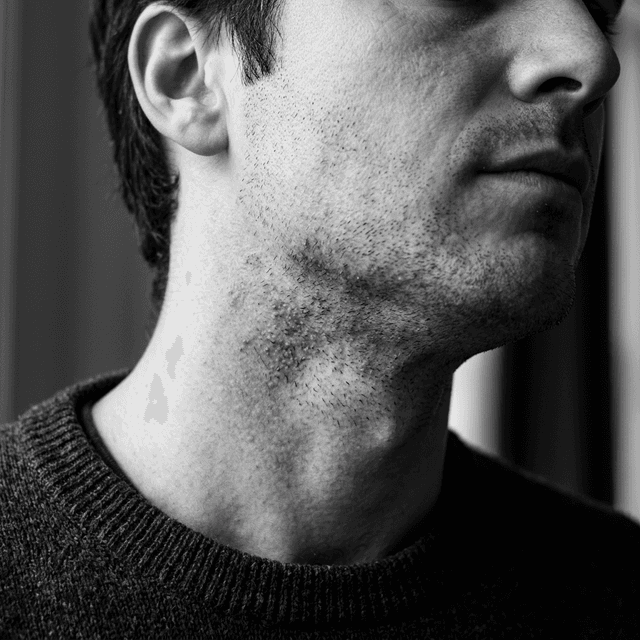
Shaving is one of the most common ways men quietly damage their skin barrier every week.
Every pass of the blade removes a thin layer of skin cells along with the hair. Do that across your entire face three to five mornings a week, and you are systematically weakening the one thing that keeps moisture in and irritants out. Most guys never think about this because the damage is slow, cumulative, and normalized.
The burn you feel after shaving is not your skin being clean. It is your skin being injured. And what most men reach for next — an alcohol-based aftershave — makes the damage worse, not better.
Shaving removes up to two layers of skin cells along with the hair. That level of mechanical trauma triggers an immediate inflammatory response—redness, burning, tightness.
That’s the mistake. Most men don’t realize there’s a better approach than traditional aftershave.
Most aftershaves are 40% alcohol, fragrance, and menthol based on common formulations. They feel cool for 10 seconds. Then your skin barrier, already traumatized from the blade, gets attacked again. You end up with more irritation, more redness, more burning. Years of this cycle and you develop ingrown hairs or persistent sensitivity.
The solution isn’t harder-hitting aftershave. It’s the opposite: healing, barrier-supporting skincare.
What Causes Post-Shave Irritation (Razor Burn Explained)
Shaving is controlled trauma. Men’s skin is structurally different, and daily shaving is one of the biggest factors that sets it apart. When the blade cuts hair, it also:
Removes the top layer of skin — A razor doesn’t just cut hair. It removes dead skin cells and sometimes living skin cells too. This is why your face feels rough and raw immediately after shaving.
Disrupts the barrier — Your skin’s protective lipid layer gets damaged. This increases water loss and opens the door to irritation and infection.
Causes micro-cuts — Even if you can’t see them, the blade creates tiny wounds. This is where irritation, redness, and burning come from.
Triggers inflammation — Your immune system responds to the trauma with redness, heat, and swelling. This is your body trying to protect itself.
Can trap bacteria — If the blade isn’t clean or if your technique is off, bacteria get into those micro-cuts. Result: ingrown hairs or infection.
All of this happens within seconds. Your skin is compromised and inflamed before you even reach for anything to soothe it.
Why Alcohol-Based Aftershave Makes Everything Worse
This is where most men go wrong.
Alcohol-based aftershaves (the traditional kind) feel good because:
- Alcohol evaporates quickly, creating a cooling sensation
- Menthol adds extra cooling
- Fragrance smells masculine and confident
But here’s what alcohol actually does to compromised skin:
It strips what’s left of your barrier — Alcohol is one of the most drying, barrier-damaging ingredients in skincare. On freshly shaved skin, it’s brutal.
It increases irritation and stinging — That burning sensation isn’t healing. It’s damage. Alcohol-sensitive skin cells are reacting to a harmful substance.
It kills beneficial bacteria — Your skin has a microbiome. Alcohol disrupts it, leaving you vulnerable to unwanted bacteria.
It causes long-term sensitivity — Use alcohol-based aftershave regularly, and your skin becomes increasingly reactive. What didn’t sting last month stings this month.
It doesn’t actually heal — Alcohol is antimicrobial, but it doesn’t repair damage or reduce inflammation. It just feels cool.
The reason men keep using it? That cooling sensation feels like it’s working. Sensation ≠ healing. The damage is still happening; you just can’t feel it because menthol numbs the area.
Ingredients That Heal Post-Shave Skin
This is what your skin needs after shaving.
Centella Asiatica (Cica)
Centella asiatica is the anti-irritation ingredient. It:
- Reduces redness and calms inflamed skin
- Strengthens your compromised barrier
- Has wound-healing properties (perfect for micro-cuts)
- Is antimicrobial (prevents infection)
- Doesn’t sting or irritate
Centella is so effective that dermatologists use it for post-procedure skin. Base Layer includes it because if it heals post-laser skin, it definitely handles post-shave irritation.
Panthenol (Pro-Vitamin B5)
Panthenol at 3% in Base Layer is a hydrating, healing ingredient that:
- Promotes skin repair and regeneration
- Reduces transepidermal water loss (keeps moisture in)
- Calms irritation without stinging
- Strengthens your barrier
- Speeds healing of micro-cuts
Use it immediately after shaving, and healing starts right away. No burning sensation—just actual repair.
Copper Peptide (GHK-Cu)
Copper peptides at 0.03% in Base Layer are the advanced healing option. They:
- Promote collagen production (structural healing)
- Reduce inflammation
- Support skin barrier function
- Have antimicrobial properties
- Speed the skin’s natural repair process
This is useful if you shave daily or have reactive skin.
Squalane
Your skin produces squalane naturally. Shaving strips it away. Base Layer includes squalane to restore barrier function:
- Mimics your skin’s natural protective lipids
- Restores barrier without feeling heavy
- Reduces water loss
- Provides immediate comfort
It’s the foundation that lets your skin heal properly.
The Right Post-Shave Routine
Immediately after shaving:
- Rinse with cool (not cold) water — This removes debris and calms inflammation slightly. Cold water can be too shocking; cool is better.
- Pat dry gently (don’t rub) — Your skin is sensitive. Rubbing causes more irritation.
- Apply a healing moisturizer to damp skin — This is your aftershave replacement. Build this into your daily skincare routine. Apply within 1-2 minutes of patting dry. The damp skin helps absorption.
- Let it absorb (1-2 minutes) before touching your face or getting dressed — Don’t rush this.
Throughout the day:
If irritation returns, reapply a small amount of moisturizer. You’re feeding your barrier the nutrients it needs to repair.
That night:
Apply moisturizer again. Most of the healing happens while you sleep. Your skin is most receptive to barrier repair at night.
Pro Tips for Reducing Shave Irritation
- Use a sharp blade — Dull blades cause more trauma and tugging. Replace after 5-7 shaves.
- Shave with the grain, not against — This reduces the depth of the cut and irritation.
- Use a pre-shave oil — This creates a barrier between blade and skin, reducing irritation.
- Don’t press hard — Let the blade do the work. Pressure = more trauma.
- Shave less frequently if possible — If you’re breaking out or irritated, give your skin 2-3 days between shaves.
- Use a shaving cream, not soap — Soap is too stripping. A proper shaving cream is formulated to protect your skin during the shave.
- Don’t shave when your skin is irritated — If you’re already red or sensitive, wait a day. Your barrier needs time to recover.
When to See a Dermatologist
If you’re getting ingrown hairs, cysts, or persistent irritation, there might be a technique issue or a deeper skin sensitivity. A dermatologist can help you:
- Refine shaving technique
- Switch to electric razors (which cause less trauma)
- Use prescription-strength barrier-repair products
- Explore other hair removal methods
But for standard post-shave irritation? A good healing moisturizer beats alcohol-based aftershave every time.
Base Layer Was Built for This
Post-shave irritation needs healing, not numbness. Base Layer delivers centella asiatica for rapid irritation reduction, panthenol for barrier repair, copper peptides for structural healing, and squalane to restore the protective lipid layer that shaving destroys. Apply it immediately after shaving and irritation settles faster than with alcohol-based aftershave.
One product. $38. No subscription.
[→ Shop Base Layer](https://baselayerskin.co/face-cream)
Common Causes
What Causes Razor Burn
A razor blade creates thousands of micro-cuts across the surface of your skin with every stroke. These cuts are invisible to the eye but very real to your barrier. Shaving against the grain increases the damage because it forces the blade to catch and pull at a steeper angle. Dull blades compound the problem by requiring more pressure and more passes to get a close shave.
Dry shaving — or shaving with just water and no lubrication — removes more surface cells than necessary. A proper shave cream or gel creates a buffer between blade and skin. Without it, you are essentially scraping raw.
Post-shave, the most common mistake is applying products with alcohol, menthol, or fragrance directly onto freshly abraded skin. That sting you feel is not the product working. It is alcohol dissolving what little protective barrier you have left.
The Alcohol Aftershave Problem
Traditional aftershaves were designed in an era when the goal was disinfection, not skin health. Alcohol kills bacteria, yes — but it also strips lipids, disrupts the acid mantle, and triggers an inflammatory response. The cooling sensation feels like relief, but your skin is actually drier and more vulnerable ten minutes later.
Menthol creates a similar illusion. It activates cold receptors in the skin, which feels soothing. But it does not reduce inflammation or repair damage. It just temporarily numbs the area while the underlying irritation continues.
Calming Ingredients That Actually Help
Centella asiatica is one of the most studied anti-inflammatory ingredients in skincare. It promotes wound healing at the cellular level, which is exactly what post-shave skin needs. Panthenol (vitamin B5) attracts and holds moisture in the upper layers of skin, reducing tightness and flaking. Allantoin softens and soothes without any irritation risk.
Niacinamide strengthens the barrier over repeated use, making each subsequent shave slightly less damaging. Copper peptides support collagen production in areas that get micro-traumatized repeatedly. These are not fancy additives — they are functional repair ingredients.
Symptoms
- Alcohol evaporates quickly, creating a cooling sensation
- Menthol adds extra cooling
- Fragrance smells masculine and confident
- Reduces redness and calms inflamed skin
- Strengthens your compromised barrier
- Has wound-healing properties (perfect for micro-cuts)
- Is antimicrobial (prevents infection)
- Doesn't sting or irritate
- Promotes skin repair and regeneration
- Reduces transepidermal water loss (keeps moisture in)
- Calms irritation without stinging
- Strengthens your barrier
Prevention Tips
Your Routine After Shaving
Rinse with cool water immediately after your last pass. Cool — not cold. Cold water shocks the skin and can cause capillaries to constrict too quickly. Pat dry gently with a clean towel. Do not rub.
Wait sixty to ninety seconds before applying anything. Let the surface settle. Then apply a fragrance-free moisturizer with barrier-repair ingredients. If you are using a dedicated post-shave product, make sure it contains zero alcohol and zero fragrance.
If you shave in the morning, your moisturizer should be light enough to sit under sunscreen without pilling. If you shave at night, a slightly richer formula works because your skin repairs more aggressively during sleep.
When to See a Dermatologist
Occasional razor burn is normal. Persistent redness, bumps that last days, or ingrown hairs that recur in the same spots may indicate pseudofolliculitis barbae — a condition common in men with curly or coarse hair. This requires a different approach than standard irritation, sometimes including prescription topicals or switching to an electric trimmer.
If changing your blade, your technique, and your post-shave product does not reduce irritation within two to three weeks, get a professional opinion. There is no reason to shave in pain indefinitely when solutions exist.
Routine Tips
Immediately after shaving: 1. Rinse with cool (not cold) water — This removes debris and calms inflammation slightly. Cold water can be too shocking; cool is better. 2. Pat dry gently (don't rub) — Your skin is sensitive. Rubbing causes more irritation. 3. Apply a healing moisturizer to damp skin — This is your aftershave replacement. Build this into your daily skincare routine. Apply within 1-2 minutes of patting dry. The damp skin helps absorption. 4. Let it absorb (1-2 minutes) before touching your face or getting dressed — Don't rush this. Throughout the day: If irritation returns, reapply a small amount of moisturizer. You're feeding your barrier the nutrients it needs to repair. That night: Apply moisturizer again. Most of the healing happens while you sleep. Your skin is most receptive to barrier repair at night.
Recommended Ingredients
Related Articles
Base Layer vs Caldera Lab: Disclosed Actives or Botanical Luxury?
Caldera Lab sells a $65 moisturizer called The Base Layer. We're the other Base Layer. Here's an honest ingredient-by-ingredient comparison with real prices.
Chlorine, Cumulative UV Exposure, and the Muscle-Skin Barrier Trade-Off
Stop letting chlorine, 100-mile winds, and severe UV exposure destroy your skin barrier. Base Layer's no-nonsense recovery guide for triathletes.
The Golfer's Skin Strategy: Managing 4-5 Hour Sustained UV, Wind Dehydration, and Hat-Line Pressure Marks
Stop baking deep wrinkles into your face. Reverse 5 hours of fairway sun damage and pesticide exposure with this targeted routine.
Best Moisturizer for Acne-Prone Skin Men (2025 Guide)
Compare Moisturizers
FAQs
Reviewed by the Base Layer skincare team. Based on published dermatological research and clinical ingredient data.